Two Approaches, One Beautiful Story
Wedding photography preserves a celebration that can never happen in quite the same way again. Yet every couple has a different idea of how those memories should look and feel.
Some imagine natural photographs filled with movement, emotion, and spontaneous interactions. Others value beautifully arranged portraits and photographs that bring the entire family together. The good news is that you do not necessarily have to choose just one approach.
Understanding candid and traditional wedding photography can help you create a collection that reflects your personality and priorities.
What Is Candid Wedding Photography?
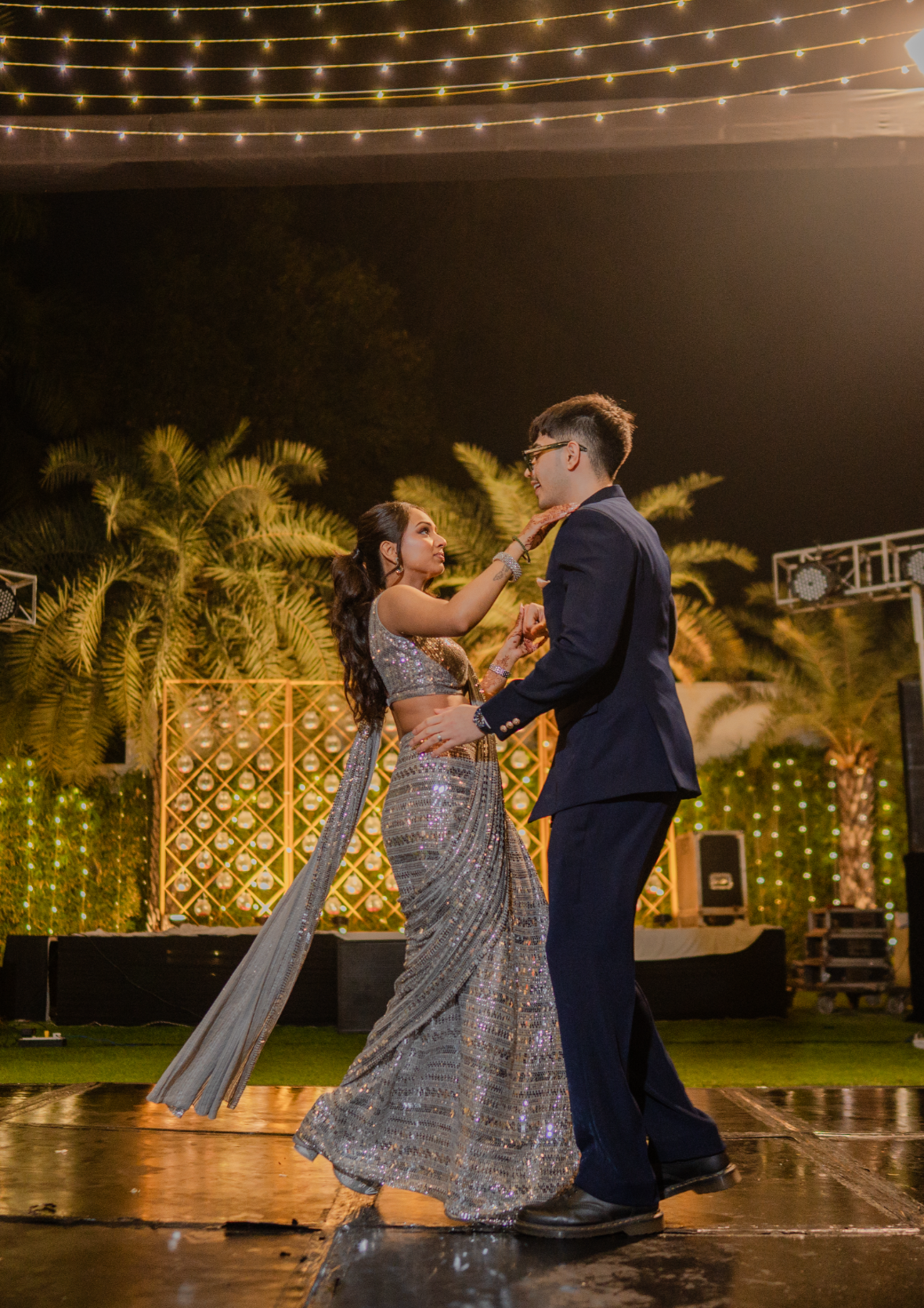
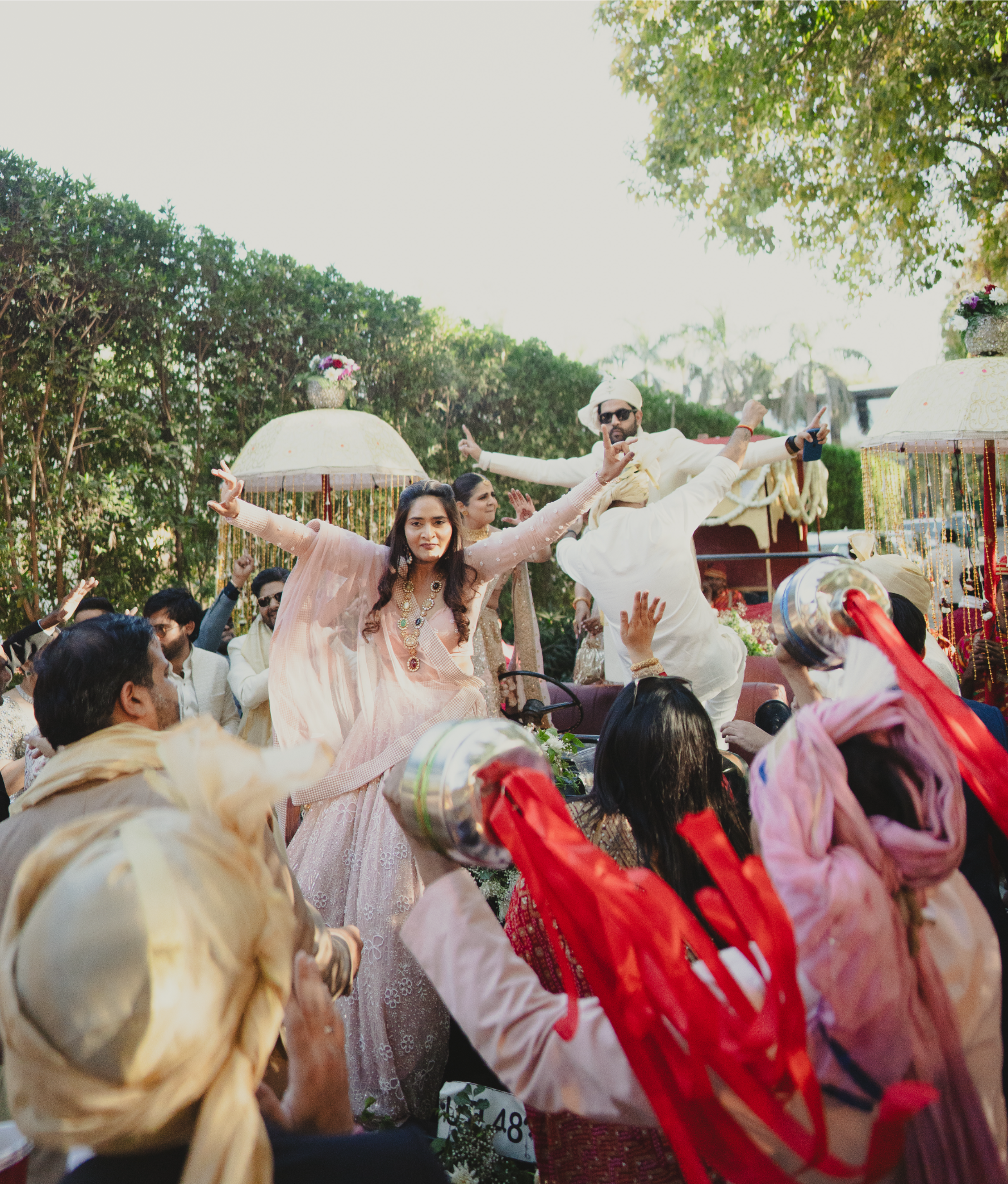
Candid photography focuses on moments as they naturally unfold. Instead of asking everyone to look at the camera, the photographer observes interactions and anticipates meaningful moments.
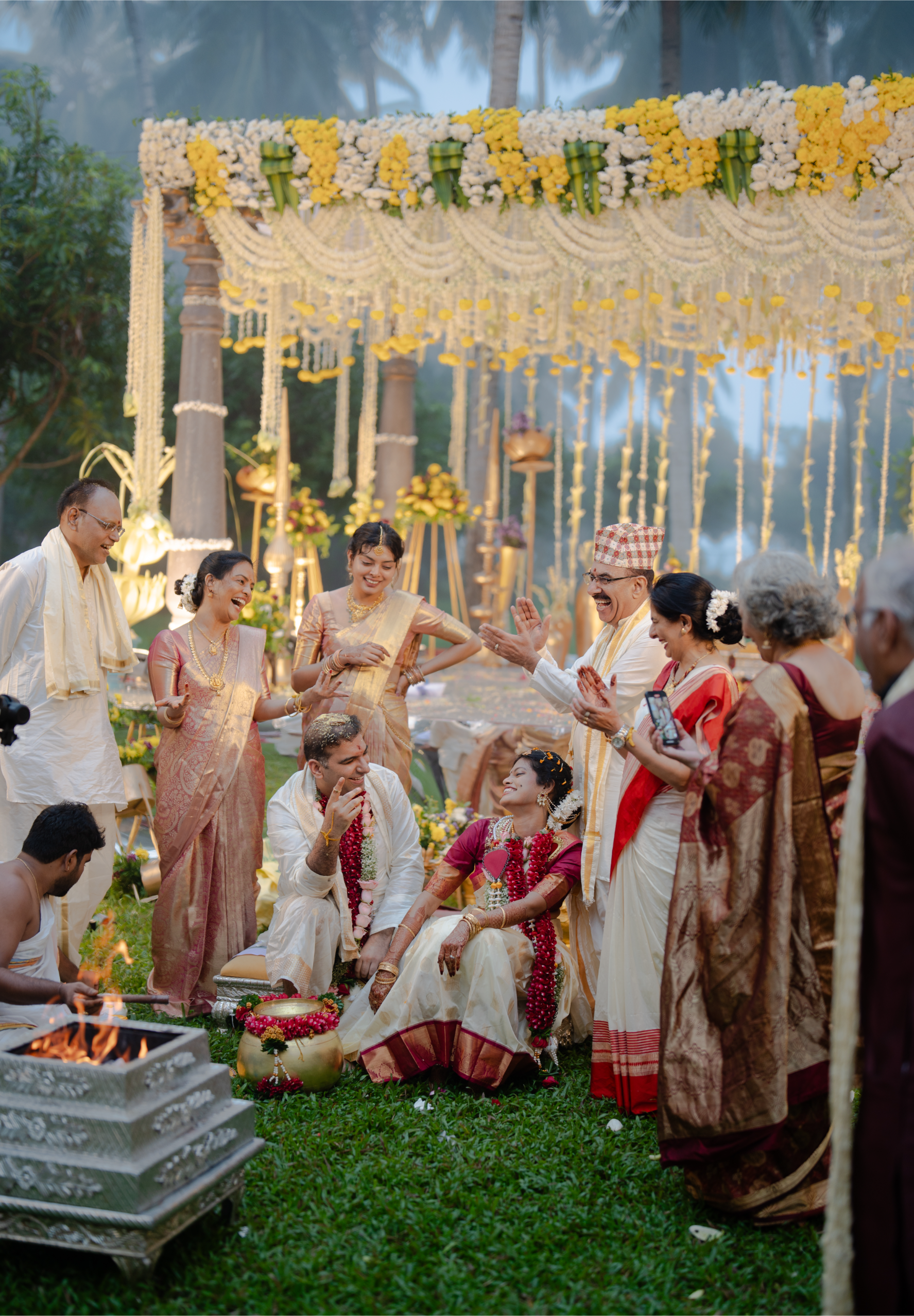
It might capture a bride sharing a quiet moment with her mother, friends laughing during the celebrations, or a couple exchanging a glance across a crowded room.
These photographs often feel intimate because they preserve genuine reactions rather than asking people to recreate them.
Candid photography requires patience, observation, and an understanding of human behaviour. The photographer must be ready to recognise a moment before it disappears.
What Is Traditional Wedding Photography?
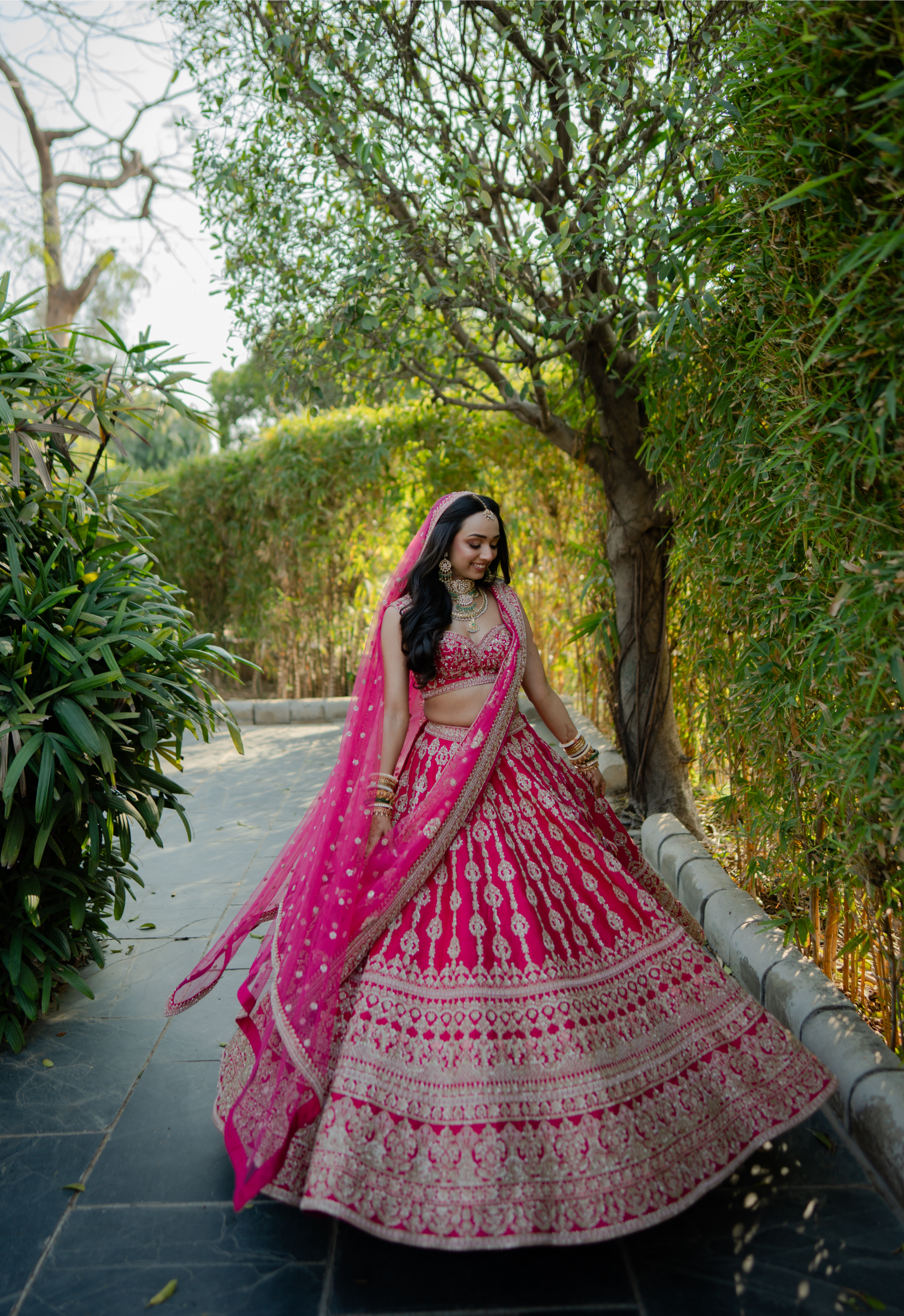
Traditional photography generally includes more directed portraits and organised group photographs. The photographer may guide the couple into a particular position, arrange family members, or ask guests to look towards the camera.
These photographs serve an important purpose. Weddings bring together people who may not see one another often, and formal portraits create a lasting record of those relationships.
Traditional coverage is particularly valuable for family photographs, important ceremonies, and portraits that couples may wish to display or include in an album.
The Difference Between the Two
The distinction is not simply about posed versus unposed images. It is about the photographer’s level of involvement in a moment.
Candid photography prioritises observation and natural interaction. Traditional photography prioritises direction, composition, and ensuring specific people or moments are documented.
Both require technical skill and an understanding of timing, lighting, and composition.
Why a Blend Often Works Beautifully
A wedding day contains many different kinds of moments. Some deserve to be documented quietly, while others benefit from thoughtful direction.
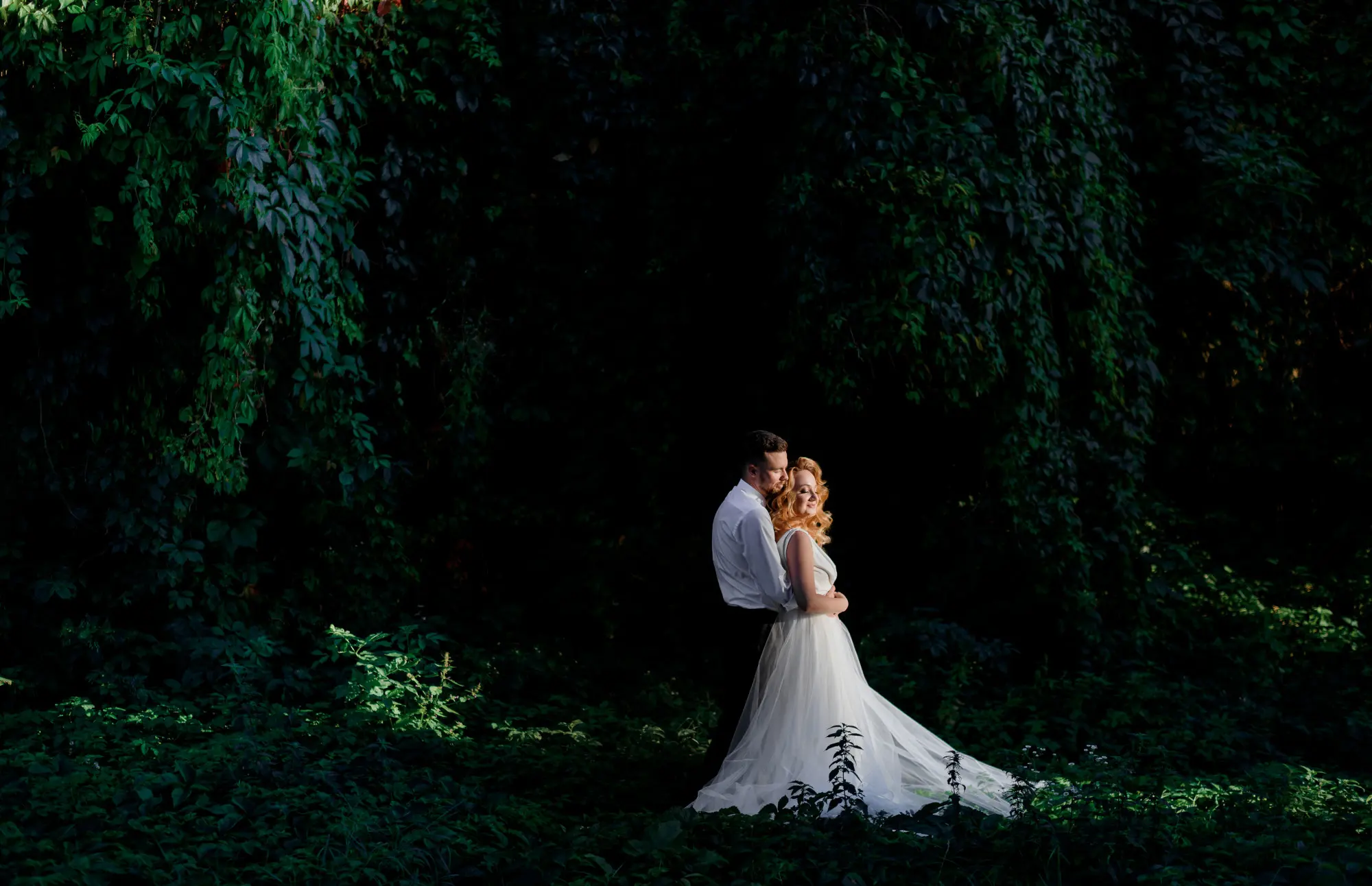
You may want natural photographs of the ceremony and celebrations alongside carefully arranged family portraits. You may prefer editorial couple portraits that feel artistic without appearing overly posed.
A balanced approach allows you to enjoy the day while ensuring that important memories are preserved.
Before the wedding, share examples of photographs you love and explain what appeals to you about them. Discuss the family portraits that are essential, but leave room for spontaneous moments that cannot be planned.
How to Decide What Suits You
Ask yourself three questions:
- Do you prefer natural interactions or more directed portraits?
- Which family members and traditions must be documented?
- Would you like your final gallery to feel documentary, editorial, classic, or a combination?
There is no universal right answer. Your wedding photographs should reflect your celebration rather than follow a particular trend.
Let Your Story Lead
At Weddings by Yua, our philosophy is rooted in noticing what makes a moment meaningful. We value genuine emotion, thoughtful composition, and photographs that feel personal rather than manufactured.
Whether you love candid storytelling, classic portraits, or a thoughtful combination of both, the goal remains the same: creating photographs that bring you back to the feeling of your wedding day.
The most beautiful photographs are the ones that feel like you.
Discover our wedding photography portfolio and find an approach that feels true to your story.